
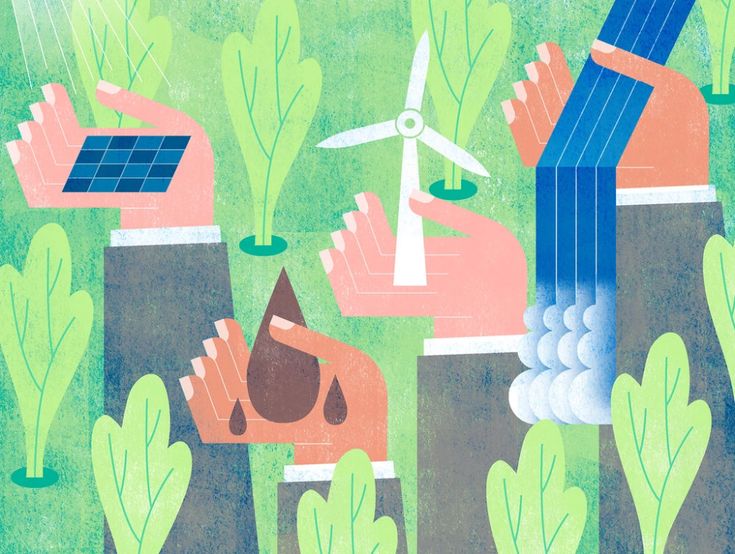

What is the Energy Transition?
The energy transition refers to the global shift from fossil fuel-based systems of energy production and consumption to renewable energy sources. This transformation represents one of the most significant structural changes our global economy has undertaken, touching everything from how we power our homes to how we manufacture goods and transport people and products. This shift is not merely technological but encompasses economic, social, and political dimensions as we collectively work toward a more sustainable and equitable energy future.


Key Drivers
Climate Change Mitigation
Reducing greenhouse gas emissions is essential to limit global warming and its devastating effects. The energy sector accounts for approximately 73% of global emissions, making it the primary focus for decarbonization efforts.
Energy Security
Diversifying energy sources and reducing dependence on imported fossil fuels enhances national energy security and resilience against price volatility and supply disruptions.
Economic Opportunity
Renewable energy costs have fallen dramatically, with solar PV prices dropping by nearly 90% since 2009. This economic shift is creating new markets, industries, and employment opportunities worldwide.
Policy and Regulation
From carbon pricing to renewable portfolio standards, governments are implementing policies to accelerate the transition and meet international commitments like the Paris Agreement.
 lookingforenergy.blog